Boohoo's €2.3 Million Fine Is Every Shop's Problem
95% of Boohoo's "sale" prices weren't real. Here's the EU rule behind the fine, and why every small retailer running a Black Friday sale needs to know it.

Kaan Salli
28 August 2026
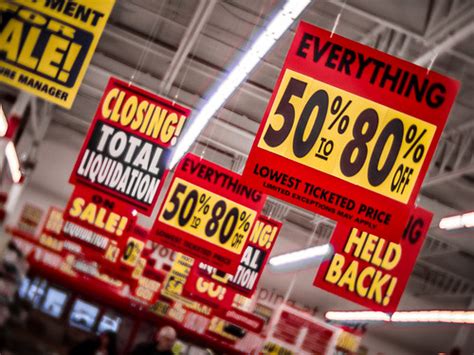
France's fraud watchdog looked at Boohoo's website and did the maths. 95% of the "sale" listings it checked broke the rules. 40% weren't discounted at all. 48% had actually gone up in price right before the "reduction" landed. The bill: €2.33 million.
That's this week's headline. The rule behind it is the real story, and it applies to every shop in the EU putting a red sticker on a price tag, not just a London-listed fast-fashion chain.
What Actually Happened
France's DGCCRF, its consumer protection authority, investigated hundreds of products on Boohoo's French site. The brand wasn't tracking the "prior price" properly before applying a discount. Some items got marked up first, then "reduced" back down to roughly where they started. Others got a smaller cut than advertised. On top of that, Boohoo labelled synthetic pieces as leather and suede, separately banned under French textile rules.
Boohoo says the issues date to October 2023 to February 2024, under previous management, and are now fixed. Maybe so. But it's not a one-off. France fined Shein €40 million for the same kind of pricing games in 2025. There's a clear pattern of French regulators going after fake discounts, hard.
Why It Matters For Your Shop
The law both fines were built on isn't French. It's EU-wide: Article 6a of the Price Indication Directive. Advertise a price cut anywhere in the EU, and you have to show the "prior price": the lowest price you charged for that item in the 30 days before the discount started. Not the RRP. Not a number you picked to make the discount look bigger. The actual lowest price, for 30 real days. The European Court of Justice already tested this on Aldi's fruit adverts and sided with the strict reading. Get it wrong and the fine can run to 4% of your annual turnover, or €2 million if turnover isn't easy to establish.
That's not a fast-fashion problem. That's an every-shop-doing-a-sale problem.
Think about how most small retailers price a promotion. Someone decides a jacket needs to move, writes "was €89, now €49" on a sign, and doesn't check what it sold for a month ago. Nobody's being dishonest on purpose, it's just how sales have always worked on a shop floor. The law stopped caring about intent a while back. It cares about whether the number on the sign matches a number you can prove.
Your frontline staff carry that risk day to day, not you. The person printing the discount labels or updating the online price isn't usually the owner. If nobody's told them the 30-day rule exists, they're implementing a compliance breach without knowing it, on your account.
My Honest Take
I don't think most small retailers need this law to behave decently. A shopkeeper who knows their customers by name can't afford to run fake discounts. Regulars notice a "was" price that never actually was, and that reputational cost hits an independent shop faster than any DGCCRF fine ever will. Big fast-fashion platforms got away with it for years because the customer relationship is thin enough not to notice or care. There's something almost funny about watching a multi-billion-pound fashion group get fined for the exact kind of pricing sleight of hand your average high street shop never needed a directive to avoid.
Funny, until you remember the fine caps at 4% of turnover for everyone, including you. Big brands absorb €2.3 million and move on. A small chain doesn't.
Autumn sales and Black Friday are close. If your till system or webshop lets you type any "was" price you like, that's worth a five-minute conversation with whoever runs your pricing, before a regulator has that conversation for you.
Sources: Ecotextile News — Boohoo fined €2.3m for deceptive practices (21 August 2026), TheIndustry.fashion — Boohoo fined £2m by French consumer watchdog over false discounts (20 August 2026), Bird & Bird — Transparency of price reductions: a closer look at the legal framework in the EU
© Copyright Kaan Salli, 2026. All rights reserved.